I’m so Spooktacular Nurse: A Designer’s Review
As an embroidery designer who has spent countless hours digitizing and stitching out holiday-themed motifs, I approach every new machine embroidery design with a critical eye. It is not enough for a graphic to look cute on a screen; it must translate flawlessly into thread. When I first loaded the I’m so Spooktacular Nurse file into my software, I was looking for more than just seasonal charm. I wanted to see if this digital embroidery file had the structural integrity to hold up in a real-world embroidery project. For those of us running a craft business or selling on platforms like Etsy, the difference between a bestseller and a return often lies in the stitch quality and design layout.
First Impressions and Visual Personality
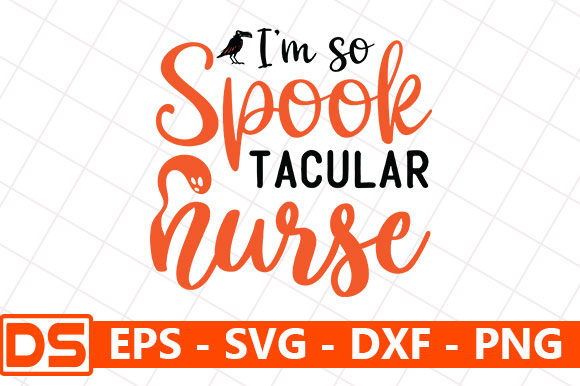
The immediate appeal of I’m so Spooktacular Nurse is its playful yet professional tone. It strikes a delicate balance between Halloween whimsy and healthcare pride. The typography appears bold and legible, which is crucial for readability once stitched. In the realm of Graphics and Crafts, many holiday designs suffer from overly intricate details that get lost in translation. However, this design seems to prioritize clarity. The mood is lighthearted, making it an ideal candidate for morale-boosting apparel or gifts. As a reviewer, I appreciate when a design does not try to do too much. The clean lines suggest that the digitizer considered the limitations of the needle and thread, aiming for a crisp finished product rather than a dense, puckered mess.
Real-World Application: The Custom Sweatshirt Test
To truly evaluate this design, I imagined a specific scenario: creating a custom gift for a nurse friend who works the night shift during October. I chose a high-quality cotton blend sweatshirt as the base garment. This is a common request for Etsy sellers and small shop product creators. The I’m so Spooktacular Nurse design fits perfectly on the left chest or centered on the back. When visualizing the stitch-out, I considered how the thread colors would interact with the fabric. A classic white or light gray thread against a black sweatshirt would provide high contrast, ensuring the text pops. Alternatively, using pumpkin orange and medical teal could add a festive touch without sacrificing professionalism.
This type of holiday embroidery thrives on personalization. It is not just a generic spooky image; it speaks directly to a specific profession. This specificity increases the perceived value of the handmade product. Customers are willing to pay a premium for items that reflect their identity. Whether it is for a personalized gift or stock for a boutique, the design’s niche appeal is its strongest asset. It moves beyond simple decoration and becomes a statement piece.
Technical Considerations for Stitching
While the visual appeal is strong, the technical execution requires attention. One must consider the stitch density. If the design relies heavily on fill stitch areas, it may require a sturdy stabilizer to prevent puckering, especially on thinner fabrics. For a sweatshirt, a cut-away stabilizer is usually recommended to support the weight of the threads. If you are adapting this for a tote bag design or a canvas apron, the fabric’s natural stiffness might allow for a lighter stabilizer, but testing is non-negotiable.
The file formats provided—EPS, SVG, PNG, and DXF—indicate versatility. However, for machine embroidery, one must ensure they have the correct native embroidery file format compatible with their machine (such as PES, DST, or JEF), which is often included in comprehensive bundles or converted from the vector sources. The presence of SVG and DXF files is excellent for cut machines, allowing for hybrid projects where you might cut vinyl letters to complement the embroidered elements. This multi-format approach supports various design assets needs, from scrapbooking to apparel.
Navigating Fabric and Hoop Constraints
Not every surface is suitable for this design. On curved surfaces like caps, the layout must be carefully arched to avoid distortion. A flat hoop size limitation might require resizing the design, which can affect stitch density. If you shrink it too much, the running stitch outlines might become too close to the fill stitches, causing thread breaks or bird nests. Conversely, enlarging it significantly might expose gaps in the coverage. Always test the design on scrap fabric first. This is a golden rule for any commercial embroidery project.
Textured fabrics present another challenge. If you are stitching on a waffle-knit towel or a fuzzy fleece, the finer details of the "Spooktacular" lettering might get lost. In such cases, increasing the stitch count slightly or using a thicker thread weight can help maintain visibility. For dark fabrics, ensure your underlay stitches are sufficient to prevent the fabric color from showing through the top threads, which can muddy the design’s appearance.
Commercial Viability and Brand Consistency
For small business owners and creative entrepreneurs, consistency is key. The I’m so Spooktacular Nurse design offers a professional look that aligns well with a brand focused on healthcare workers or holiday-specific goods. It enhances customer trust because it looks intentional and well-executed. When used in printable mockup previews for online listings, the design’s clarity helps buyers visualize the final item, reducing hesitation and boosting engagement.
However, licensing is a critical factor. Before selling finished items or using the design in commercial products, verify the license terms associated with the download. Many digital creators allow commercial use for physical items but restrict the resale of the digital file itself. Understanding these boundaries protects your business and respects the original artist’s work. This design, with its clear theme and professional execution, is a valuable addition to a seasonal catalog, provided it is used within legal guidelines.
Final Verdict for Makers
In conclusion, I’m so Spooktacular Nurse is a solid choice for anyone looking to add a touch of Halloween spirit to their nursing-themed creations. It performs well on standard apparel like sweatshirts and tote bags, provided proper stabilization and thread choices are made. It is less suitable for extremely small hoops or highly textured fabrics without significant adjustments. For the hobbyists, makers, and apparel decorators out there, this design offers a reliable template for creating memorable custom apparel and gifts. By paying attention to the technical details—such as fabric texture, hoop size, and stitch density—you can ensure that your final product meets the high standards expected in today’s handmade market. Always remember to check the specific file compatibility with your machine and review the licensing agreement to maximize the potential of this versatile embroidery file.