Reviewing the Nurse Coffee Scrubs Design
As a designer who has spent years digitizing patterns and testing them on everything from flimsy polyester to heavy canvas, I approach every new machine embroidery design with a critical eye. It is not just about whether the image looks cute on a screen; it is about how those stitches will behave under the needle. Recently, I evaluated the Nurse - Coffee Scrubs Rubber Gloves design, and I want to share my practical insights for fellow embroidery designers, Etsy sellers, and craft business owners considering this asset for their next project.
First Impressions and Visual Personality
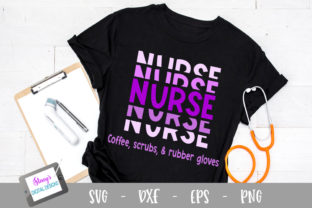
The first thing that strikes you about Nurse - Coffee Scrubs Rubber Gloves is its playful yet professional vibe. It captures the essence of modern healthcare culture—the reliance on caffeine and the constant presence of protective gear—with a stacked layout that feels intentional and balanced. This is not a cluttered graphic; it is a curated collection of symbols that tell a story. For those of us in the Crafts and Graphics space, we know that clarity is king. The shapes are distinct, which suggests that when converted into an embroidery file, the separation between elements should remain crisp, provided the digitizer has done their job correctly.
The mood here is appreciative and lighthearted. It avoids being overly clinical or sterile, making it an excellent candidate for personalized gifts that aim to boost morale rather than just identify a profession. When I look at the composition, I see a design that relies on strong silhouettes. This is crucial because intricate details often get lost in thread, but bold shapes translate beautifully into satin and fill stitches.
Real-World Application: The Custom Tote Bag Scenario
To truly understand the value of this design, let’s walk through a real-life scenario. Imagine a customer approaches your small shop requesting a durable, stylish tote bag for a nurse friend who is graduating or celebrating Nurse Week. You choose a heavy cotton canvas tote, which provides a stable base for embroidery. Here, Nurse - Coffee Scrubs Rubber Gloves shines. The stacked nature of the design allows it to sit vertically on the side of the bag or centered on the front without looking stretched or awkward.
In this context, the design acts as a focal point. Because the elements are stacked, you can play with thread colors to create depth. Perhaps the scrubs are a soft teal, the coffee cup a warm brown, and the gloves a stark white or light blue. This versatility makes it a strong contender for custom apparel and accessories. It is not just a logo; it is a conversation starter. For an Etsy seller, this means higher engagement. Buyers are looking for items that feel personal and specific, and this design hits that niche perfectly without being too generic.
Versatility Across Products
Beyond tote bags, this design has significant potential in other areas of handmade product creation. Consider sweatshirt embroidery. A crewneck sweatshirt in heather gray or navy would provide a fantastic backdrop for the lighter elements of the design. The stitch density will need to be managed carefully here to prevent the fabric from puckering, but the visual payoff is high. It also works well for baby embroidery if you are creating gifts for nurses who are new parents, though you might need to scale it down significantly.
For those interested in creating embroidered patches, this design is ideal. Patches require clean edges and minimal loose threads, and the distinct shapes in Nurse - Coffee Scrubs Rubber Gloves lend themselves well to tight satin stitch borders. You could produce a batch of these as small shop products for local hospitals or nursing schools, adding velcro backs for easy attachment to scrubs or bags.
Technical Considerations and Stitching Challenges
While the aesthetic appeal is strong, we must discuss the technical execution. As an experienced reviewer, I always advise checking the specific stitch count and density before running the design on your machine. Although the product description mentions it includes SVG, PNG, DXF, and EPS files, it is vital to confirm if a native machine embroidery file (like PES, DST, or JEF) is included or if you need to digitize it yourself from the vector assets. If you are using the provided graphics to create your own applique design or digitizing from scratch, pay close attention to the tiny details.
Small hoop sizes can be tricky with stacked designs. Ensure that the total height of the stack fits comfortably within your hoop, leaving enough margin for the frame. If you are working with textured fabrics, such as terry cloth towels or fuzzy fleece, the finer details of the coffee steam or glove folds might get lost. In these cases, increasing the stitch width or simplifying the internal details can help maintain clarity.
Dark fabric presents another challenge. If you are stitching on black scrubs or a dark navy cap, you will need to use a high-contrast underlay and potentially a backing stabilizer that matches your top thread color to prevent show-through. Test the design on scrap fabric first. This is non-negotiable. Check how the running stitch outlines hold up and whether the fill stitches lay flat without pulling the fabric.
Enhancing Brand Consistency and Value
For creative entrepreneurs and boutique branding specialists, consistency is key. Nurse - Coffee Scrubs Rubber Gloves offers a cohesive look that can be part of a larger collection. If you are building a line of healthcare-themed gifts, this design fits seamlessly alongside other medical motifs. It enhances product value because it feels current and relevant. Customers trust designs that look professional and well-thought-out, and this layout demonstrates a clear understanding of the subject matter.
When creating printable mockups for your online store, use high-resolution images to show how the texture of the thread interacts with the fabric. Show the design on a variety of items—a kitchen towel, a pillow cover, a cap—to help buyers visualize the finished product. This reduces hesitation and increases buyer engagement. Remember, you are not just selling a digital file or a stitched item; you are selling the feeling of appreciation and care that the recipient will experience.
Practical Designer Notes for Best Results
- Test on Scrap Fabric: Always run a test stitch-out on the same type of fabric you plan to use for the final product. This helps you identify any tension issues or registration errors.
- Check Thread Color Contrast: Plan your color palette in advance. Use a color wheel to ensure that the coffee, scrubs, and gloves stand out against each other and the background fabric.
- Review Stitch Density: If the design feels too dense, it may cause puckering on lightweight fabrics. Consider using a cutaway stabilizer for stretchy materials like t-shirts.
- Confirm Hoop Size: Measure the design dimensions against your available hoops. If it is too large, consider splitting the design or scaling it down, keeping readability in mind.
- Inspect Small Details: Zoom in on the digital file. Are there tiny jumps or unnecessary trims? Clean up the pathing if you are digitizing it yourself to reduce thread waste and machine time.
- Licensing Verification: Before selling finished items or digital products, confirm the license terms. Ensure that commercial use is permitted for the specific files you have purchased.
In conclusion, Nurse - Coffee Scrubs Rubber Gloves is a versatile and engaging design that holds up well in real-world embroidery applications. Whether you are creating holiday embroidery for staff appreciation, custom apparel for a nursing cohort, or unique items for your craft fair booth, this design offers a solid foundation. By paying attention to technical details like stabilizer choice, thread contrast, and fabric texture, you can elevate this graphic into a high-quality, professional finished product that resonates with your customers.